Water impacts us all. Every choice you make — doing yardwork, cleaning your car, in the kitchen — has an impact on our waters.
In Your Home

The choices you make in your home impact our local lakes, streams, and rivers. Check out what you can do to help protect our waters.
In Your Yard
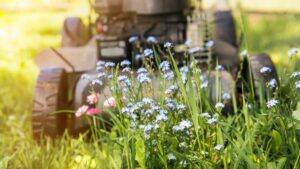
The choices you make in your yard impact our local lakes, streams, and rivers. Check out what you can do to help protect our waters.
In Your Garage
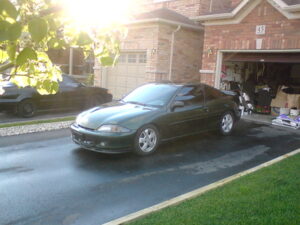
The choices you make in your garage impact our local lakes, streams, and rivers. Check out what you can do to help protect our waters.
School Presentations
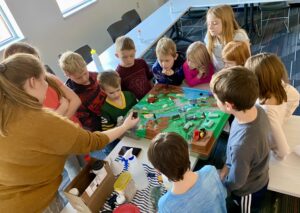
Education is key to understanding our impacts on our waters. Please contact the NEWSC Coordinator to schedule a presentation.
Rain Barrel Workshops
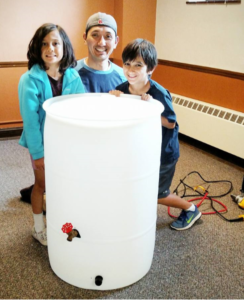
Rain barrel workshops are a great way to get community members involved and educate them on stormwater. If you are interested in sponsoring a workshop please contact the NEWSC Coordinator.